
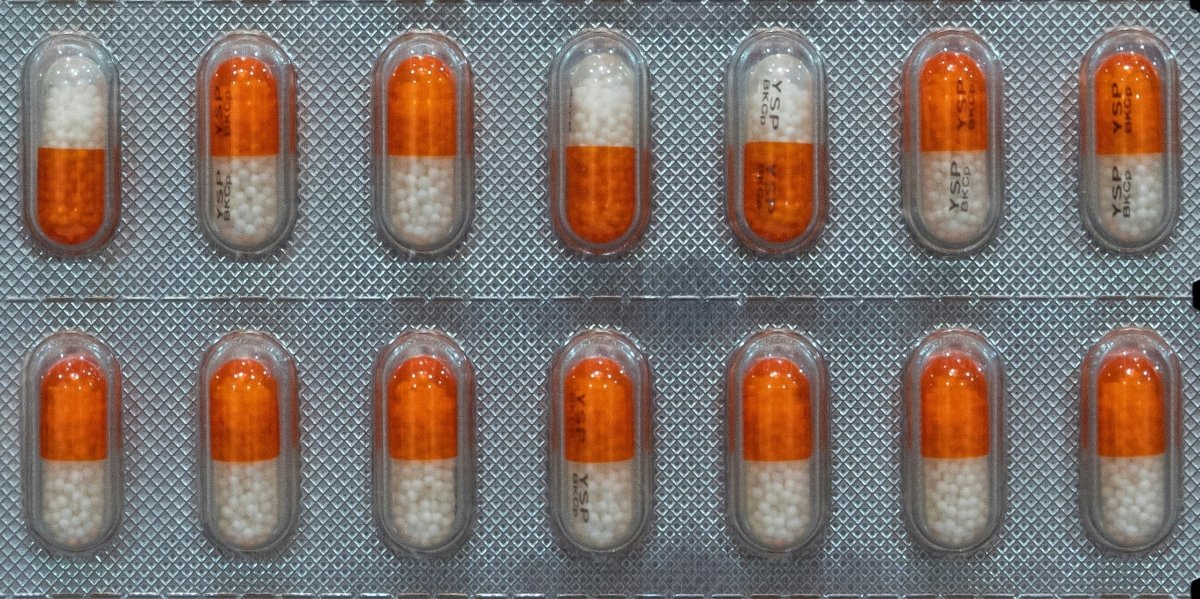
Methylphenidate is a proven active ingredient used as a psychostimulant for the treatment of Attention Deficit Hyperactivity Disorder (ADHD) and narcolepsy. In Germany, medications containing this active ingredient are prescription-only and fall under the Narcotics Act (BtMG).
In this article, you will gain a complete insight into this active ingredient, which is used in several medications and has been prescribed for decades. Below, you will find key information on the effects, side effects, and dosage of methylphenidate, allowing you to acquire a well-founded knowledge of this active ingredient. To provide you with a quick overview of this complex topic, we have divided this article into several chapters:
Table of Contents:
1. The History of Methylphenidate 2. Methylphenidate Preparations 2.1 Methylphenidate as the Active Ingredient in Ritalin 2.2 Methylphenidate as the Active Ingredient in Medikinet 2.3 Immediate-Release and Extended-Release Preparations 3. The Effect of Methylphenidate 3.1 The Mechanism of Action of Methylphenidate 4. The Use of Methylphenidate 4.1 Methylphenidate Dosage 4.2 Methylphenidate: Side Effects, Interactions, and Contraindications 5. Methylphenidate: an Effective Psychostimulant for ADHD
The History of Methylphenidate
Methylphenidate was synthesized in 1944 by the Italian Leandro Panizzon, who tested the active ingredient together with his wife in self-experiments. In multiple trials, the concentration-enhancing effect of methylphenidate was discovered. In 1954, the drug Ritalin, containing methylphenidate as its active ingredient, was first introduced to the German-speaking market.
In the early years, Ritalin was prescription-only but not regulated under narcotics law. It was only in 1971 that it was brought under the Narcotics Act (BtMG). To this day, methylphenidate is an active ingredient widely used in the treatment of ADHD and similar conditions.

Methylphenidate Preparations
In medicine, the active ingredient has been approved in Germany since 1954. It is still used today in the synthesis of medications for the treatment of Attention Deficit Hyperactivity Disorder. The best-known representative of these medications is Ritalin. However, Medikinet also relies on this active ingredient. In the following, we would like to present the differences between these two preparations and discuss further distinctions in the choice of preparations.
Methylphenidate as the Active Ingredient in Ritalin
Ritalin is the best-known medication that uses methylphenidate as its active ingredient. This preparation is distributed by the pharmaceutical company Novartis Pharma. The usual therapy for adults begins with a daily dose of 20 mg. This can be increased weekly in individual steps. However, a maximum dose of 80 mg should not be exceeded. If treatment is continued from adolescence, the dosage can be maintained.
For children and adolescents, the principle is to keep the use of methylphenidate as low as possible. Here too, there is a maximum dose, which is between 54 and 60 mg. If this is a single dose, it should be taken in the morning, as otherwise, difficulties falling asleep can result.
In the extended-release preparation Ritalin LA, methylphenidate is released via a special mechanism, the Spheroidal Oral Drug Absorption System (SODAS). The methylphenidate is contained in several layers of the preparation and can thus be released in a controlled manner. While 50% of the active ingredient is released immediately to achieve a rapid effect of methylphenidate, the other 50% are slowly released throughout the day.

Methylphenidate as the Active Ingredient in Medikinet
Medikinet is the preparation from the pharmaceutical company Medice Arzneimittel Pütter GmbH & Co, which also contains methylphenidate as its active ingredient. Therefore, the key data of the two well-known medications are fundamentally similar. For example, similar recommendations apply to Medikinet dosage for adults as for Ritalin. Accordingly, the maximum dose should be limited to 80 mg. Typically, a daily dose of 20 mg is started. Depending on medical discretion, the initial dose can also be set at 10 mg.
A remarkable distinguishing feature of Medikinet, however, lies in the mechanism of action of its extended-release preparations. It does not rely on the SODAS mechanism, but rather on stomach acid, which gradually releases the methylphenidate. Therefore, doctors strongly advise taking Medikinet after a meal, whereas the Ritalin variant can be used regardless of digestive tract activity.

Immediate-Release and Extended-Release Preparations
Regardless of which medication is prescribed, there is a distinction between immediate-release and extended-release methylphenidate. Both Ritalin and Medikinet are available in these two variants. Immediate-release preparations release the entire active ingredient at once. The disadvantage is that several individual doses may be necessary throughout the day.
Extended-release preparations, on the other hand, consist of multiple layers that dissolve gradually, releasing the active ingredient in stages. With the correct dosage of methylphenidate, it is thus possible to treat patients with just one administration per day.
Should both dosage forms prove unsuitable for treating a patient, for example, if they cause severe side effects, a methylphenidate alternative may be an option. There are herbal solutions like ginseng or other medications like atomoxetine, which have a similar efficacy profile to methylphenidate.

The Effect of Methylphenidate
The fact that methylphenidate has been used for so long in the treatment of Attention Deficit Hyperactivity Disorder in various preparations has good reasons: The active ingredient can reliably improve attention and concentration. In addition, hyperactivity and impulsivity are inhibited. Overall, this results in increased performance.
The Mechanism of Action of Methylphenidate
The aforementioned effect of methylphenidate is based on a complex control of neurotransmitters. The stimulant influences dopamine and norepinephrine transporters, preventing the reuptake of these important neurotransmitters. This leaves them in the synaptic cleft longer, increasing the concentration of these chemical messengers. Since norepinephrine and dopamine increase the activity of the sympathetic nervous system, increased attention and concentration are the result.

Chemical structure formula of methylphenidate
The use of methylphenidate
Due to the potent effects of methylphenidate, treatment should always be supervised by a doctor. Below, we would like to present important aspects that should be considered when using methylphenidate. These include the dosage of methylphenidate and the fundamental suitability of the active ingredient, as it can cause side effects, interactions, and contraindications.
Methylphenidate Dosage
A central factor for successful treatment with methylphenidate is the dosage. This can vary depending on the severity of symptoms, the clinical picture, and the patient's age. Below are some examples of different dosages for various cases:
- Treatment of children and adolescents: In children and adolescents, an initial dose of 5 mg is given once or twice daily. This dose can then be increased by 5 to 10 mg at weekly intervals.
- Treatment of adults: If therapy was already initiated in adolescence, the methylphenidate dosage can be continued. However, the dose can be adjusted by increasing it by 5 mg weekly. A maximum dose of 80 mg should not be exceeded.
- Treatment of adults with narcolepsy: Narcolepsy is a condition that can lead to spontaneous sleep attacks during the day. As methylphenidate increases nervous system activity, it can effectively treat the symptoms. For adults, a daily dose of 20 to 30 mg is used, divided into two to three individual doses.

Methylphenidate: Side effects, interactions, and contraindications
The correct use of methylphenidate preparations under medical supervision is important for successful treatment and the avoidance of possible side effects. The use of methylphenidate can be accompanied by side effects that should ideally be avoided. Very common side effects include:
Loss of appetite
Insomnia and nervousness
Headaches
Nausea
Excessive sweating
However, it is not only these direct side effects that need to be considered. Methylphenidate can cause unintended interactions with other medications. For example, methylphenidate weakens the effectiveness of blood pressure-lowering medications, which can lead to complications. Treatment with methylphenidate should also be suspended when narcotics are administered. Otherwise, there is a risk during an operation that blood pressure and heart rate could suddenly increase.
In addition to interactions, there are also contraindications to consider. This term refers to when a medication exacerbates the symptoms of certain medical conditions. For example, a methylphenidate alternative should be used if the patient suffers from cardiovascular diseases such as severe hypertension or heart failure.

Methylphenidate: an effective psychostimulant for ADHD
Methylphenidate is a proven active ingredient that has been used in the treatment of ADHD and similar conditions since 1954. Methylphenidate is often used as the active ingredient in preparations such as Ritalin and Medikinet. The effect of methylphenidate increases the concentration of important neurotransmitters like norepinephrine and dopamine in the synaptic cleft, which enhances concentration and attention. Thanks to the well-documented studies on its effects and side effects, a sound medical assessment of the treatment is possible and central to successful therapy.